Cabo Pulmo: Snorkeling and Diving Near San José del Cabo
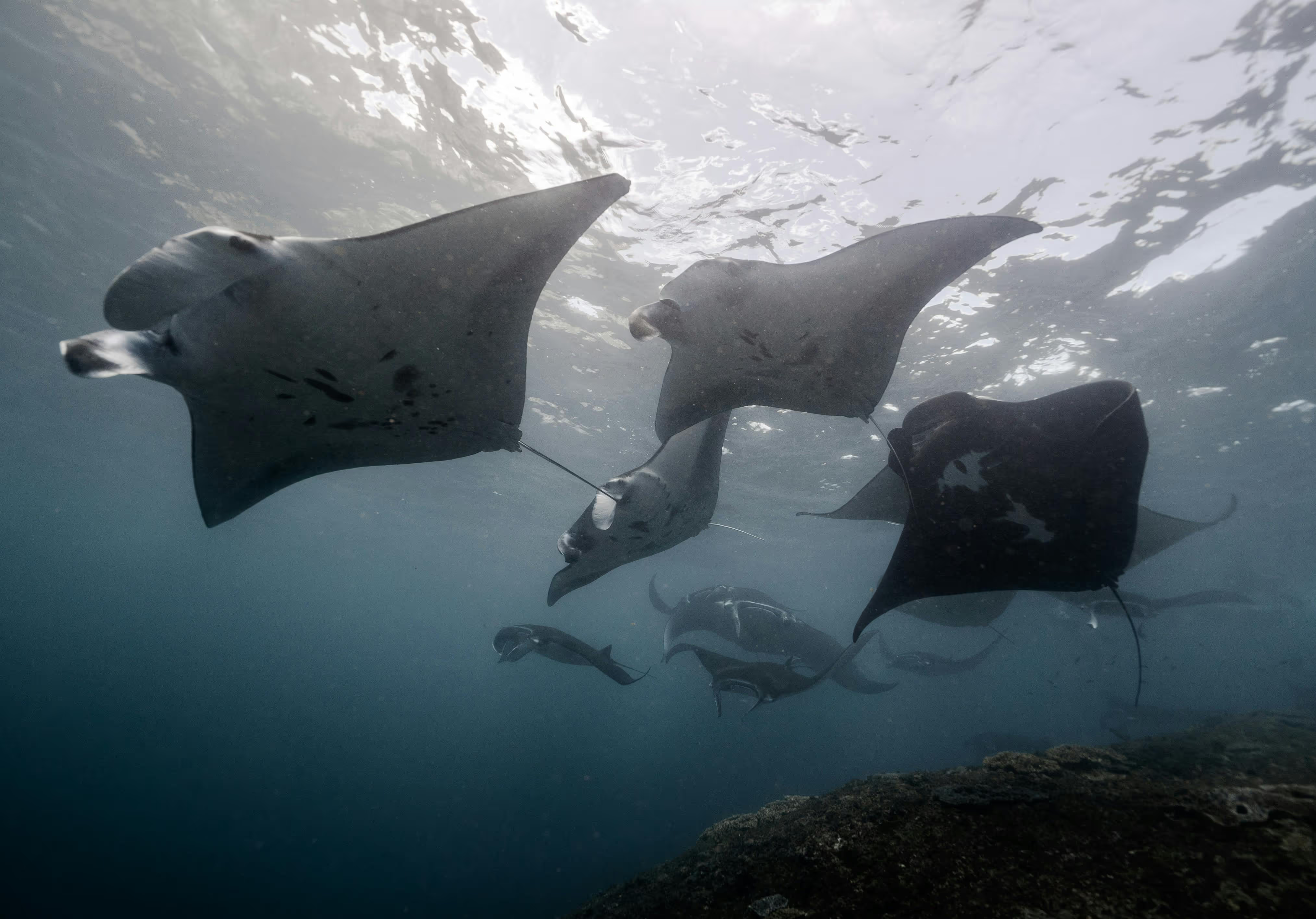
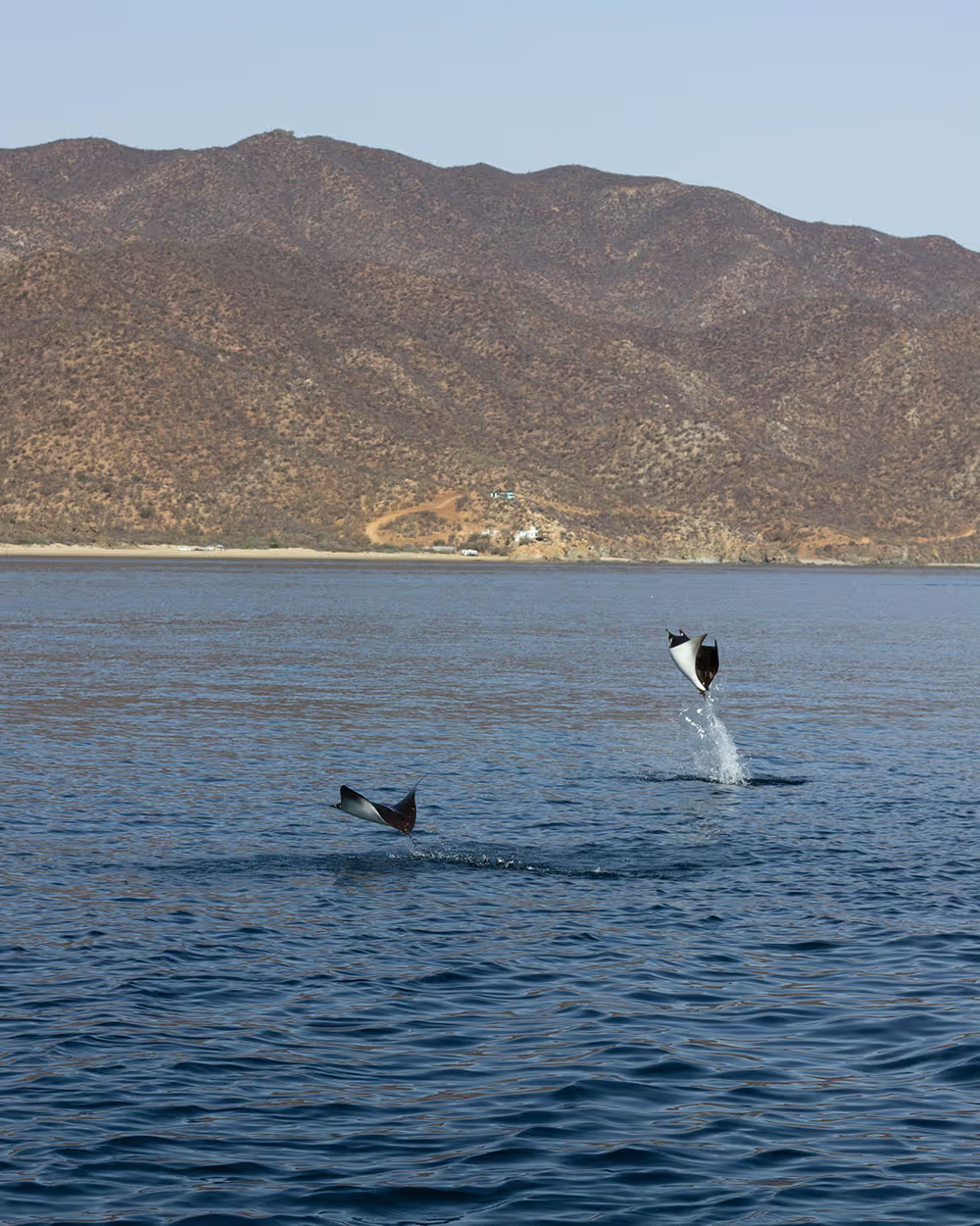
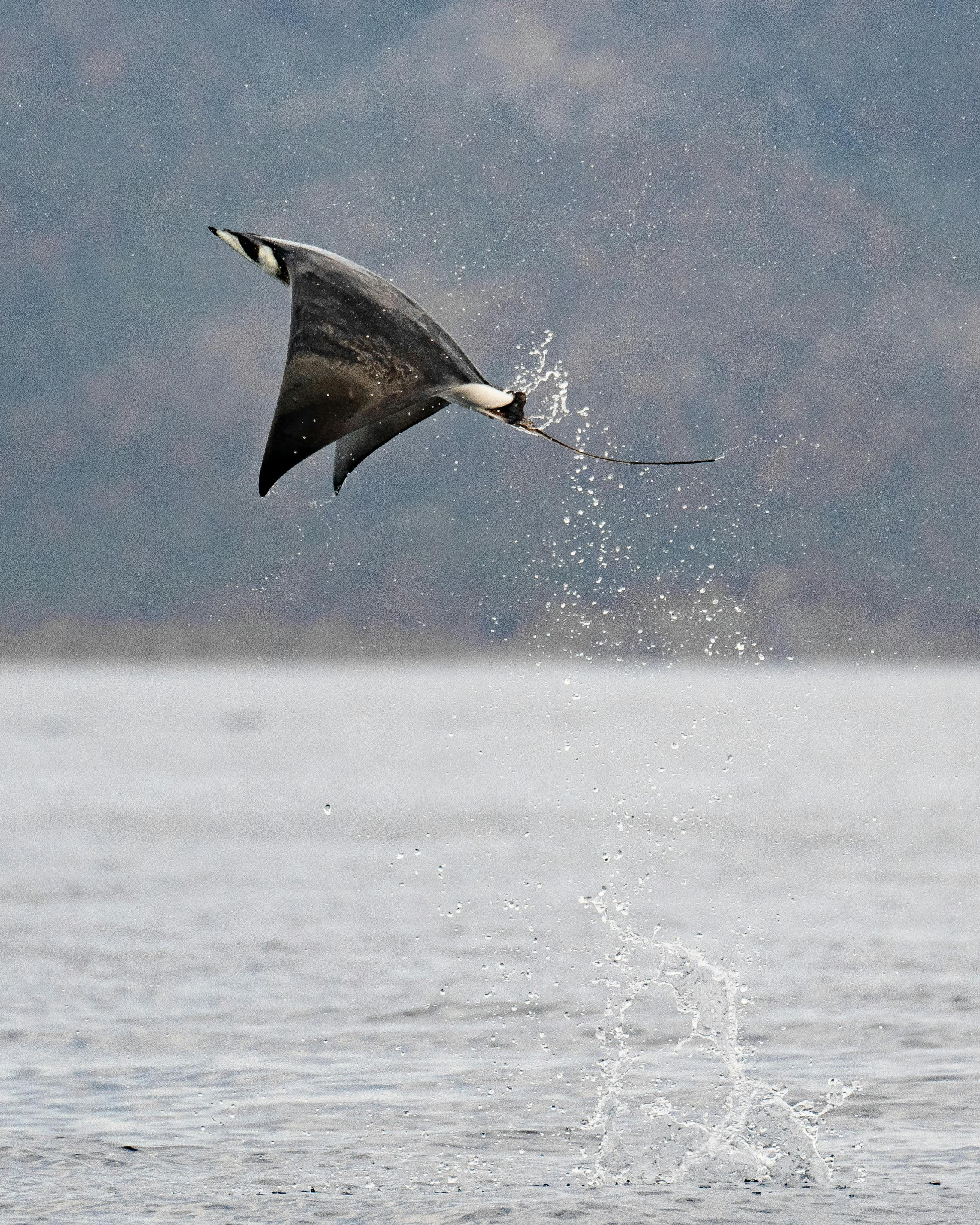
Each spring, the Sea of Cortez comes alive with movement. From April to June, thousands of mobula rays gather off the coast of San José del Cabo in one of the most visually spectacular migrations in the natural world. These sleek, winged creatures—sometimes referred to as “flying rays”—form massive underwater schools and erupt from the surface in spontaneous, synchronized jumps.
Here, the reef starts just off the beach. Schools of fish, sea turtles and rays move between coral ridges in shallow, calm water—no long boat ride required.
At Ámina Wind Resort, you’re not just near the action—you’re in it.
From the comfort of your villa, you can often witness rays leaping in the golden light of sunrise—silver flashes breaking the calm, glassy water just beyond your deck. The calm bay acts like a mirror, interrupted only by the rhythm of nature at play. It’s the kind of moment that doesn’t need a filter—or a plan.
Ready to get in the water? Local, community-run dive shops in Cabo Pulmo offer guided snorkel and scuba trips by panga to the reef’s best spots, from shallow coral close to shore to the sea lion colony at Los Frailes. Book ahead in high season and leave San José del Cabo early to enjoy the calmest morning water.
What makes Cabo Pulmo special?
In 1995, local fishing families asked for the area to be protected and gave up fishing on the reef. The ocean responded: within about 15 years, the amount of fish in the park grew by more than 460%, making Cabo Pulmo one of the most successful marine reserves in the world. It was named a UNESCO World Heritage Site in 2005.
Fun facts about Cabo Pulmo:
- Mobulas are cousins of manta rays, with wingspans of up to 3 meters (10 feet).
- Despite their size, they are gentle filter feeders, eating plankton and small fish.
- They can travel in groups of hundreds, sometimes even thousands.
- Sea turtles, rays, huge schools of jacks and, in winter, humpback whales can be seen in the area.
When to go?
Cabo Pulmo can be visited year-round. Summer and fall usually bring the warmest water and the best visibility, while winter can be windier and cooler—with the bonus of humpback whales offshore. Mornings are typically the calmest time to snorkel or dive.
Cabo Pulmo is more than a day trip—it’s a chance to see what the ocean looks like when it’s given room to recover.
Respect the park: snorkel and dive only with authorized local guides, don’t touch or stand on the coral, use reef-safe sunscreen and take all your trash with you. Then head back to Laiva San José for a slow evening in the historic center of San José del Cabo.
Rooms
Gallery
Experiences
Events
Collections
Promos
Laiva San Jose By Tasman
Calle Manuel Doblado 10, Centro, 23400 San José del Cabo, B.C.S.
View on map →
+52 55 1507 8697
laivasanjose@betasman.com
Book Now
https://us2.cloudbeds.com/reservation/5J7lSF#promo=BF26